Do Ask, Do Tell, Let's Talk: Why and How Christians Should Have Gay Friends
Conversations among friends accomplish more than debates between opponents.
Conversations on controversial issues do not to go well when the dialogue happens community-to-community or figurehead-to-figurehead. Whether it's race, religion, or politics, groups don't talk well with groups. Too much is at stake when we feel like our words and actions speak for the collective whole. Platforms and podiums will never accomplish what can only be done around dinner tables and in living rooms.
Two individuals from those respective groups are much more likely to forge a good relationship, influencing one another in various ways. Unfortunately, an individual who listens well is often viewed by his or her collective compatriots as engaging in compromise; at the group level, representing each side fairly feels too much like agreement.
That is why the aim of this book is friendship. Friendship is the level at which influence can be had, because the dialogue does not seek to represent an agenda but to understand a person. Friendship is what protects good points from becoming gotcha moments.
The subject for which this approach may be most vital for the modern church may be homosexuality and same-sex attraction (SSA). Yet our approach has tended to be more polemical or political than pastoral and personal.
Churches have articulated their position on a conservative sexual ethic. Churches have re-examined the key biblical texts that are challenged in defense of a progressive sexual ethic. As important as these things are, however, they do not equip everyday Christians to develop meaningful friendships with people who experience same-sex attraction or have embraced a gay identity.
In the absence of relationship, our theology becomes theory.
Many Christians are seeing that the church's unwillingness to befriend people who experience SSA has blocked us from engaging with the subject of homosexuality on a person-to-person level. We are reluctant to engage relationships where it feels probable that there will be awkwardness.
Admittedly, this book is not as "neat" as you might like for it to be. Many tensions will be navigated; maybe not all contradictions will be avoided. However, when it comes to being salt and light for the sake of the gospel, it seems far better to choose possible messiness over guaranteed ineffectiveness.
That means we must realize that it is good for us to have conversations where we don't know what to say. This is part of the essence of being a growing person. When we're not having conversations that challenge us to think about new things, we will commit sins either of pride or apathy. We should always be praying that God will bring people into our lives who will provide the opportunity for us to ask new and important questions.
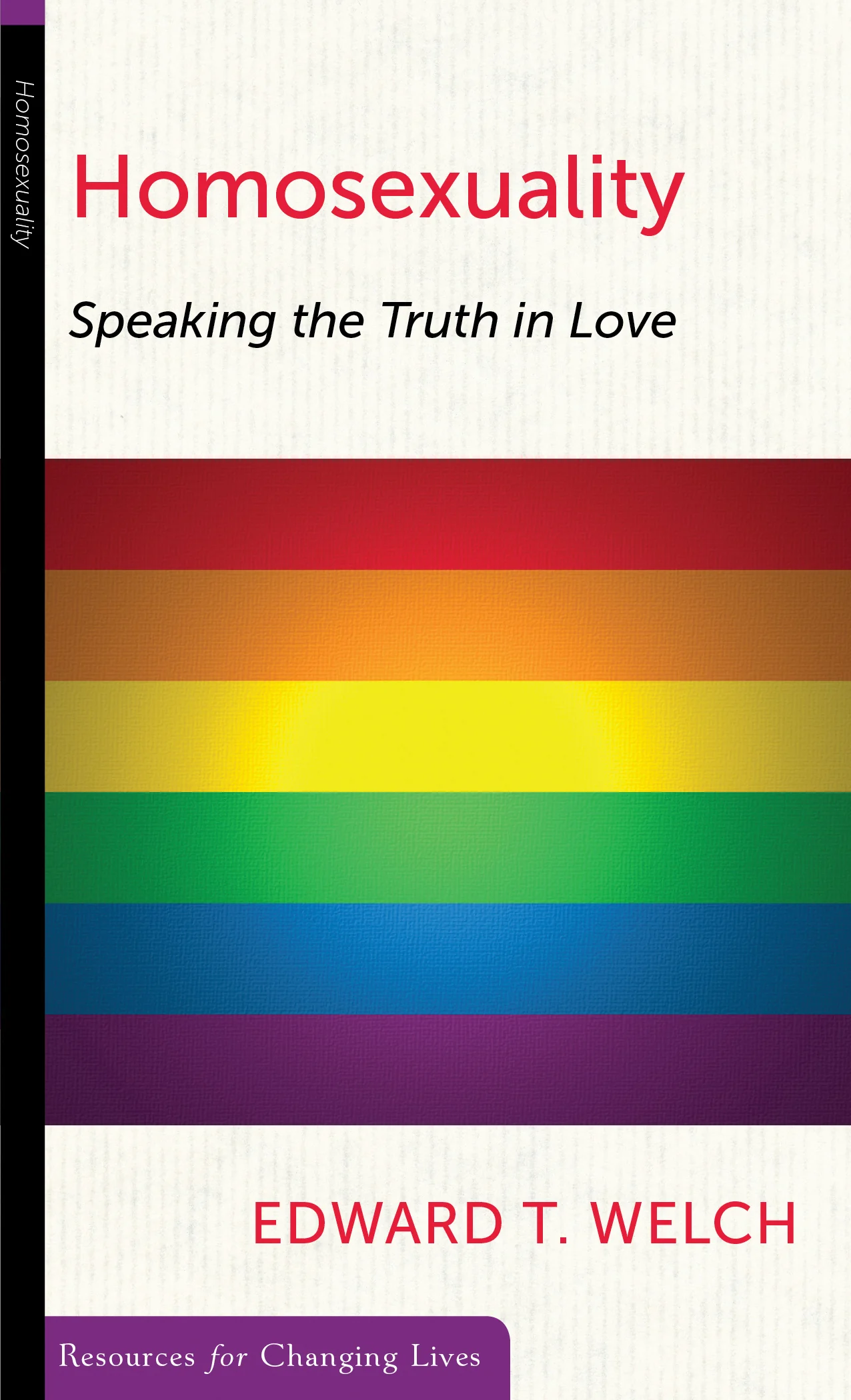
The desire of this book is to be a resource God uses to grow his people into excellent ambassador-friends to their classmates, colleagues, and family members who experience SSA.
Original: $9.08
-65%$9.08
$3.18Product Information
Product Information
Shipping & Returns
Shipping & Returns
Description
Conversations among friends accomplish more than debates between opponents.
Conversations on controversial issues do not to go well when the dialogue happens community-to-community or figurehead-to-figurehead. Whether it's race, religion, or politics, groups don't talk well with groups. Too much is at stake when we feel like our words and actions speak for the collective whole. Platforms and podiums will never accomplish what can only be done around dinner tables and in living rooms.
Two individuals from those respective groups are much more likely to forge a good relationship, influencing one another in various ways. Unfortunately, an individual who listens well is often viewed by his or her collective compatriots as engaging in compromise; at the group level, representing each side fairly feels too much like agreement.
That is why the aim of this book is friendship. Friendship is the level at which influence can be had, because the dialogue does not seek to represent an agenda but to understand a person. Friendship is what protects good points from becoming gotcha moments.
The subject for which this approach may be most vital for the modern church may be homosexuality and same-sex attraction (SSA). Yet our approach has tended to be more polemical or political than pastoral and personal.
Churches have articulated their position on a conservative sexual ethic. Churches have re-examined the key biblical texts that are challenged in defense of a progressive sexual ethic. As important as these things are, however, they do not equip everyday Christians to develop meaningful friendships with people who experience same-sex attraction or have embraced a gay identity.
In the absence of relationship, our theology becomes theory.
Many Christians are seeing that the church's unwillingness to befriend people who experience SSA has blocked us from engaging with the subject of homosexuality on a person-to-person level. We are reluctant to engage relationships where it feels probable that there will be awkwardness.
Admittedly, this book is not as "neat" as you might like for it to be. Many tensions will be navigated; maybe not all contradictions will be avoided. However, when it comes to being salt and light for the sake of the gospel, it seems far better to choose possible messiness over guaranteed ineffectiveness.
That means we must realize that it is good for us to have conversations where we don't know what to say. This is part of the essence of being a growing person. When we're not having conversations that challenge us to think about new things, we will commit sins either of pride or apathy. We should always be praying that God will bring people into our lives who will provide the opportunity for us to ask new and important questions.
The desire of this book is to be a resource God uses to grow his people into excellent ambassador-friends to their classmates, colleagues, and family members who experience SSA.